
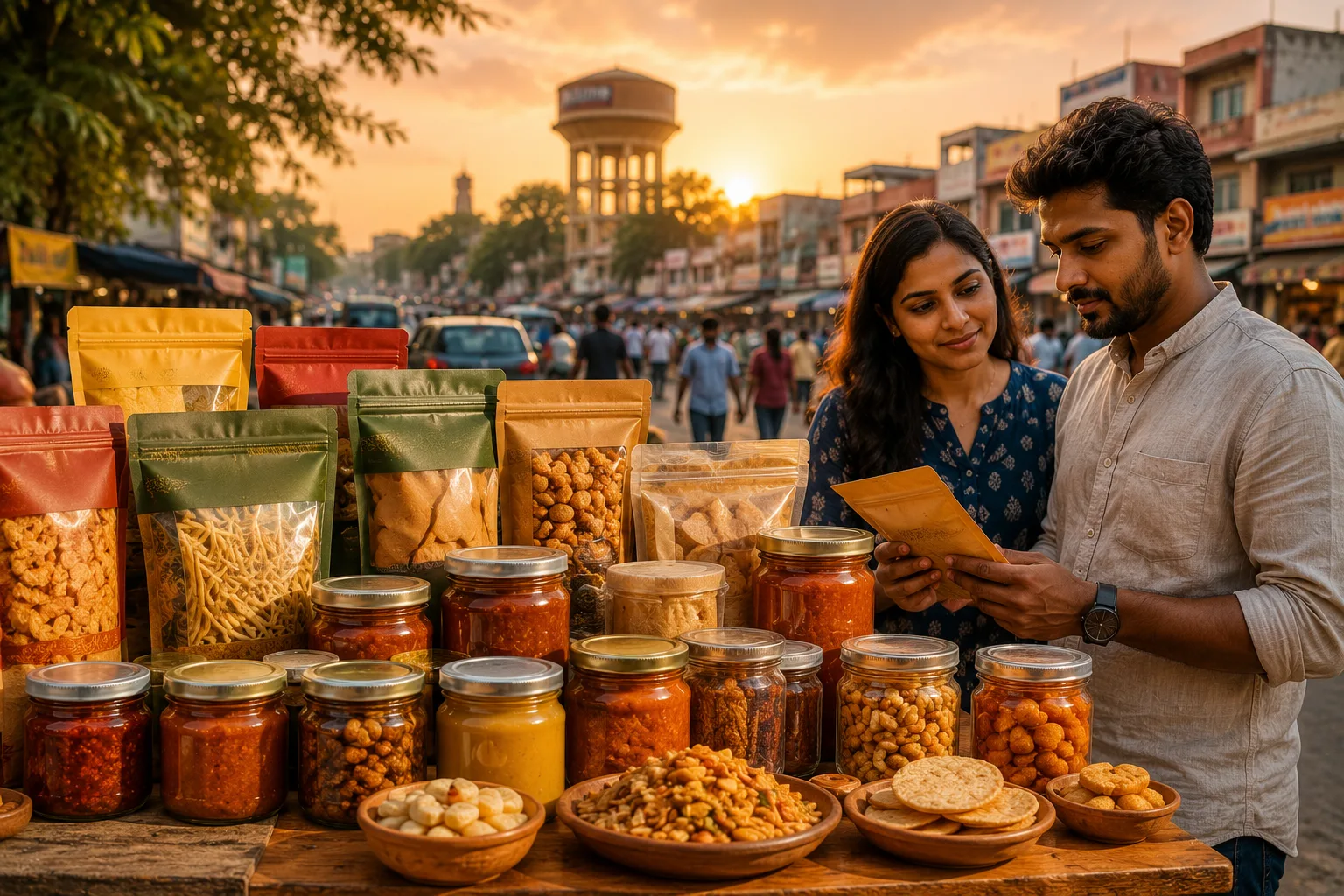
India’s food industry is changing rapidly. While national brands still dominate supermarket shelves, regional food companies are gaining strong momentum in Tier 2 and Tier 3 cities.
Consumers today are actively searching for authenticity, regional flavors, and products that feel culturally familiar. This shift has opened massive opportunities for local food entrepreneurs and regional FMCG brands.
At BusinessTalks.in, we closely track food industry trends and emerging local brands that are reshaping India’s consumer landscape.
Why Consumers Prefer Regional Brands
One major reason behind this growth is emotional connection. Regional brands understand local tastes better than large corporations.
- Local flavor preferences
- Affordable pricing
- Regional language packaging
- Community trust
- Faster local distribution
Brands that position themselves around local identity often build stronger customer loyalty.
The Role of Social Media and Influencers
Instagram, YouTube Shorts, and local food influencers are helping smaller brands reach wider audiences without massive advertising budgets.
Instead of competing with expensive television ads, regional businesses are building online communities around food culture and authenticity.
Market Comparison
Chart Representation:
- Traditional National Brands – 45%
- Regional Snack Brands – 70%
- Local Beverage Brands – 90%
- Packaged Sweets Brands – 65%
Distribution Is Becoming Easier
Earlier, local brands struggled with distribution and logistics. Today, platforms like online grocery apps, regional marketplaces, and D2C websites are helping smaller businesses sell directly to consumers.
Affordable digital marketing has also reduced dependence on traditional distributors.
Packaging and Branding Improvements
Regional brands are investing more in professional branding and packaging than ever before. Consumers now expect:
- Modern packaging designs
- Transparent ingredient labeling
- Attractive product photography
- Social proof and online reviews
Businesses that modernize presentation while preserving authentic taste are growing rapidly.
Challenges for Emerging Food Brands
Despite the growth opportunities, scaling a food business still comes with operational challenges:
- Maintaining quality consistency
- Managing supply chains
- Meeting FSSAI regulations
- Balancing pricing with profitability
Brands that focus on operational discipline usually outperform competitors over time.
How Local Businesses Can Build Stronger Brands
Regional food businesses should focus on storytelling. Customers connect deeply with brands that explain their origins, recipes, and local identity.
Building a strong digital presence is equally important. Many businesses are now combining SEO blogs, social media, and influencer partnerships to attract new audiences.
You can explore more growth strategies in our Food & Brands section.
Future of Regional Food Businesses
India’s regional food ecosystem is expected to expand significantly over the next decade. Consumers are increasingly valuing uniqueness over mass-produced products.
This creates a huge opportunity for entrepreneurs who can combine authentic regional flavors with modern branding and digital marketing.
Conclusion
Regional food brands are no longer niche businesses. They are becoming serious competitors in India’s fast-growing consumer market.
Businesses that understand local culture, maintain product quality, and invest in modern marketing strategies are likely to dominate future growth.
For more business case studies and growth-focused content, visit BusinessTalks.in.