
The Rise of Cloud Kitchens: A Profitable Franchise Model
The culinary landscape has been dramatically reshaped over the past few years, with technological integration and changing consumer habits paving the way for innovative business models. Leading this gastronomic revolution is the concept of the cloud kitchen—also known as ghost kitchens or dark kitchens. Stripped of the traditional dine-in experience, these delivery-only establishments are rewriting the rules of the restaurant industry. Welcome to Food & Brands, where we dissect the profitability and operational dynamics of the cloud kitchen franchise model.
What is a Cloud Kitchen?
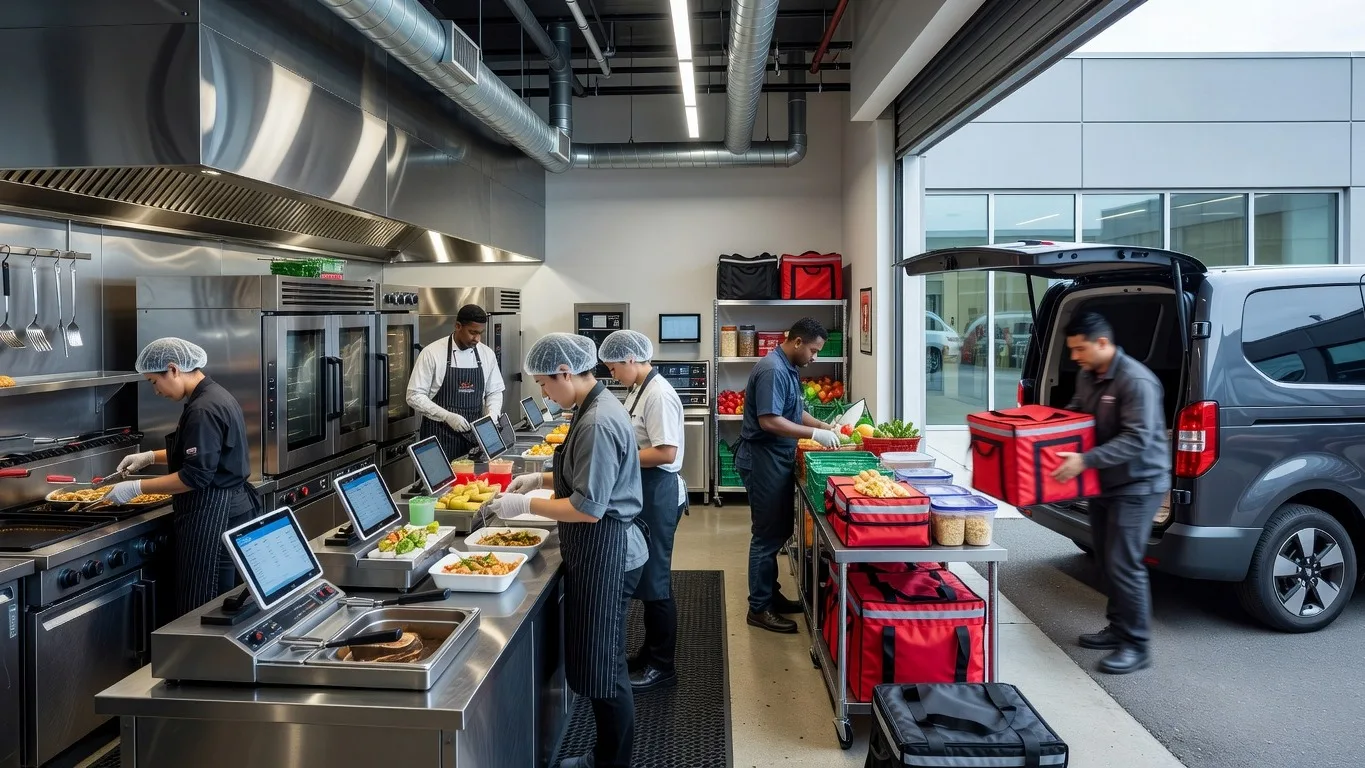
A cloud kitchen is a commercial cooking facility dedicated entirely to preparing food for delivery. Unlike traditional brick-and-mortar restaurants, cloud kitchens have no physical storefront, dining area, or front-of-house staff. Orders are placed exclusively through digital platforms—either proprietary apps or third-party aggregators like UberEats, Zomato, or DoorDash. By eliminating the massive overhead costs associated with prime real estate and interior decor, cloud kitchens represent a highly streamlined and efficient approach to food service.
The Economic Appeal
The primary driver behind the explosive growth of cloud kitchens is their compelling economic framework. Traditional restaurants require significant capital expenditure just to open their doors, with a large portion allocated to ambiance and seating. Cloud kitchens, on the other hand, can be established in secondary or industrial real estate zones where rent is substantially lower. This drastically reduces the initial investment barrier, allowing entrepreneurs to achieve profitability at a much faster rate. Furthermore, the operational flexibility permits multi-brand operations from a single kitchen, maximizing asset utilization.
Multi-Brand Strategy
One of the most powerful advantages of a cloud kitchen is the ability to operate multiple distinct virtual brands simultaneously. A single commercial kitchen can prepare gourmet burgers, authentic Thai cuisine, and artisan vegan salads, each marketed under a different brand name on delivery apps. This strategy allows operators to capture diverse market segments and quickly pivot if a particular concept underperforms. By utilizing the same equipment and labor pool across various menus, kitchen efficiency and profit margins are vastly improved.
Data-Driven Menu Optimization
In the digital realm of cloud kitchens, data is king. Every transaction, click, and review is meticulously tracked, providing operators with a wealth of actionable insights. Kitchens can analyze ordering patterns, peak times, and customer preferences to dynamically adjust their menus and pricing. If data indicates a sudden surge in demand for healthy bowls in a specific neighborhood, a cloud kitchen can rapidly introduce a new virtual brand to cater to that niche, a level of agility impossible for traditional restaurants.
Operational Efficiency and Automation
Efficiency is paramount in a delivery-only model where margins can be squeezed by third-party commission fees. Cloud kitchens leverage advanced kitchen display systems (KDS) and inventory management software to streamline operations. From automated order routing to precise ingredient portioning, technology minimizes human error and reduces food waste. As the industry matures, we are even seeing the integration of robotics for repetitive tasks like frying or assembling, further driving down labor costs and ensuring consistent quality.
Navigating Third-Party Delivery Aggregators
While third-party delivery apps provide essential visibility and logistics, their high commission rates (often ranging from 20% to 30%) can significantly impact profitability. Successful cloud kitchen operators must employ robust negotiation strategies and carefully manage their pricing to absorb these costs. Alternatively, many are investing in building their own direct-to-consumer delivery platforms. While this requires a higher initial marketing spend to acquire customers, the long-term benefit of retaining full profit margins and owning the customer data is invaluable.
Building Brand Loyalty Digitally
Without the traditional dining experience, building brand loyalty requires a strictly digital approach. Cloud kitchens must excel in packaging, ensuring food arrives hot, presentable, and accompanied by branded materials. Social media marketing, influencer partnerships, and aggressive digital ad campaigns are critical for staying top-of-mind. Engaging with customers through personalized email marketing, loyalty programs, and prompt responses to online reviews helps cultivate a dedicated customer base despite the lack of physical interaction.
The Franchise Opportunity
As the cloud kitchen model proves its viability, franchising has emerged as a rapid scaling strategy. Established brands are offering "plug-and-play" franchise models, providing aspiring restaurateurs with proven menus, operational blueprints, and technological stacks. For franchisees, this mitigates the risk of starting from scratch and accelerates the path to market. It's an attractive proposition for investors seeking a high-yield, relatively low-barrier entry into the booming food technology sector.
Challenges and Regulatory Hurdles
Despite the immense potential, the cloud kitchen industry faces several challenges. Quality control across expanding franchise networks is a persistent concern, as the food must endure the delivery process without degradation. Additionally, as the concentration of delivery vehicles increases, municipalities are scrutinizing zoning laws and traffic impacts. Navigating these regulatory landscapes and maintaining impeccable food safety standards are critical for long-term sustainability.
Conclusion
The cloud kitchen model is more than a pandemic-induced trend; it is a fundamental shift in the culinary economy. By prioritizing operational efficiency, data-driven adaptability, and multi-brand strategies, cloud kitchens offer a highly profitable alternative to traditional dining. As technology continues to evolve and consumer demand for convenience grows, the ghost kitchen revolution presents a compelling frontier for food entrepreneurs and franchise investors alike.