
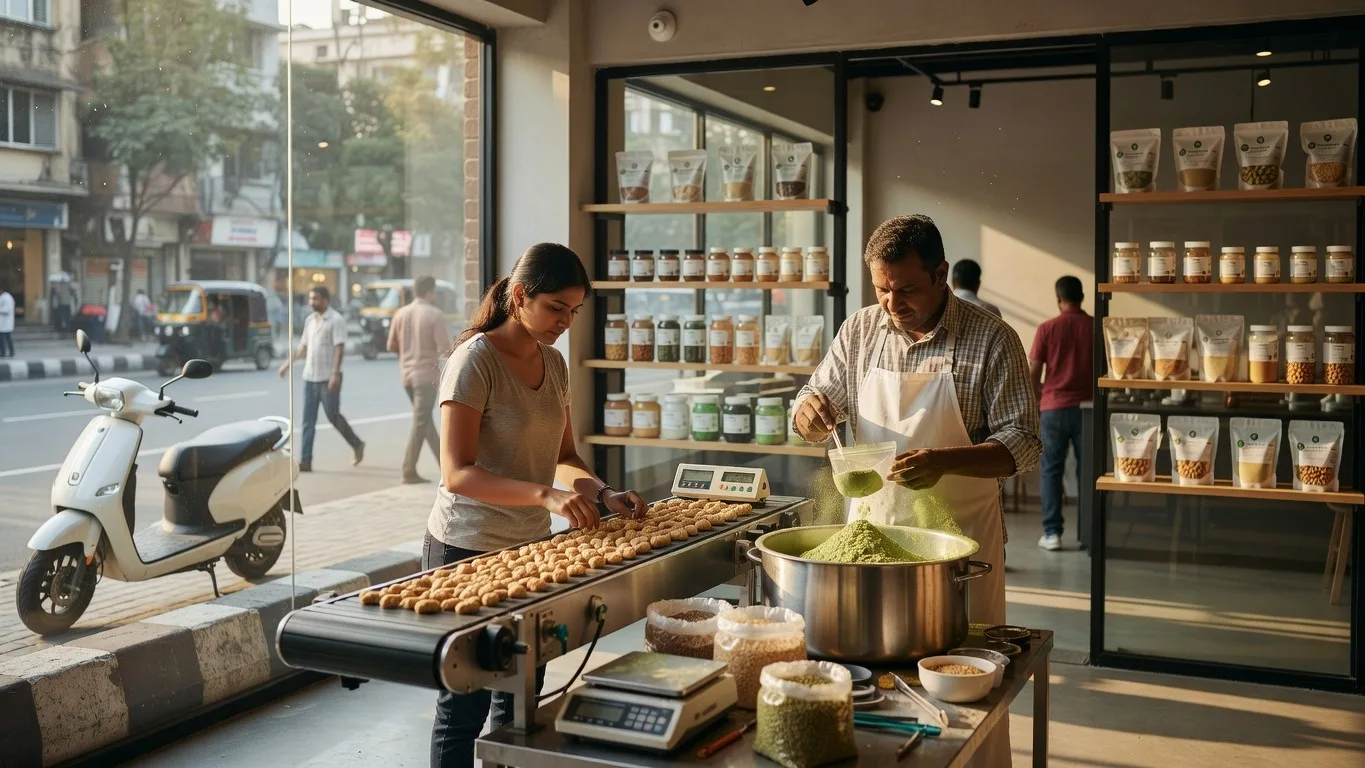
Not long ago, the idea of an Indian startup selling plant-based protein shakes or pea-protein paneer would have seemed like a stretch. Today, it's a rapidly growing business reality. Across India's metros and increasingly in smaller towns, health-conscious consumers are actively seeking protein-rich alternatives that align with both their dietary values and environmental concerns.
India's plant-based protein market is no longer a niche. It's going mainstream — and a wave of homegrown startups is leading the charge with products built for Indian tastes, Indian price points, and Indian lifestyles.
Why Plant-Based Protein Is Booming in India
Several forces are driving this shift simultaneously. First, India's growing middle class is increasingly aware of protein deficiency — a widespread nutritional issue affecting a significant portion of the population, according to multiple nutrition surveys. Second, vegetarian and flexitarian diets are the norm for a large section of Indians, making plant-based protein a natural fit rather than a radical cultural shift.
Third, and perhaps most importantly, fitness culture has exploded in urban India. With gyms, home workouts, and wellness apps becoming part of daily life, demand for protein supplements and functional food has never been stronger. Startups that can offer plant-based options at accessible price points are sitting on a serious opportunity.
Key Startups Leading the Movement
A handful of Indian startups are already making significant noise in this space and building real customer bases:
- Oziva: One of India's most recognised plant-based nutrition brands, Oziva offers protein blends, multivitamins, and superfoods backed by clean-label credentials. Their D2C model and strong Instagram presence have helped them build a loyal urban customer base.
- Wellbeing Nutrition: Known for their collagen and protein offerings, Wellbeing Nutrition has tapped into the premium urban segment with sleek packaging and science-backed formulations that resonate with millennial consumers.
- Yoga Bar: Now part of the ITC family, Yoga Bar started as a clean-ingredient protein bar brand before expanding into muesli, protein powders, and oats — proving that plant-based snacking can genuinely scale in India.
- Blue Tribe Foods: Focused on plant-based meat alternatives, Blue Tribe is targeting the significant chunk of Indians who eat meat but are curious about reducing their consumption without sacrificing taste.
Data Insights
The growth trajectory of India's plant-based food market speaks for itself. Here's an estimated picture of market size over recent years:
Estimated India Plant-Based Food Market Size (₹ Crore) — Indicative figures based on industry trends
Challenges These Startups Are Navigating
It's not all smooth sailing. Plant-based protein startups in India face a unique set of challenges that test their product development and marketing capabilities:
- Price Sensitivity: Quality plant-based protein often costs more than whey or conventional food. Convincing price-sensitive consumers to pay a premium remains a persistent challenge, especially outside metro cities.
- Taste and Texture Expectations: Indian consumers have strong flavour preferences. A plant-based product that doesn't deliver on taste — regardless of how nutritious it is — simply won't get repeat purchases.
- Distribution Depth: Most of these startups are strong online but relatively weak in offline retail, especially in Tier 2 and Tier 3 cities where the next wave of health-conscious consumers actually lives.
- Consumer Education: Many shoppers still don't fully understand what plant-based protein is or why it matters for their health. Brands need to invest in education alongside marketing to build a sustainable customer base.
The Road Ahead for Plant-Based Brands in India
Despite these challenges, the opportunity is enormous. India's food market is one of the largest in the world, and even a small behavioural shift among consumers translates into billions in potential revenue. Startups that can crack the taste-price equation while building genuine brand trust are well-positioned to become category leaders in the coming decade.
For entrepreneurs looking to enter the food and beverage space, our Food & Brands section covers the latest trends, case studies, and market analyses to help you make smarter business decisions from day one.
Conclusion
India's plant-based protein revolution is still in its early chapters, but the story is already compelling. A generation of health-aware, environmentally conscious consumers is actively looking for better food choices — and Indian startups are rising to meet that demand with creativity, science, and a deep understanding of the local palate. The brands that listen closely and iterate fast will define this category for the next decade.