
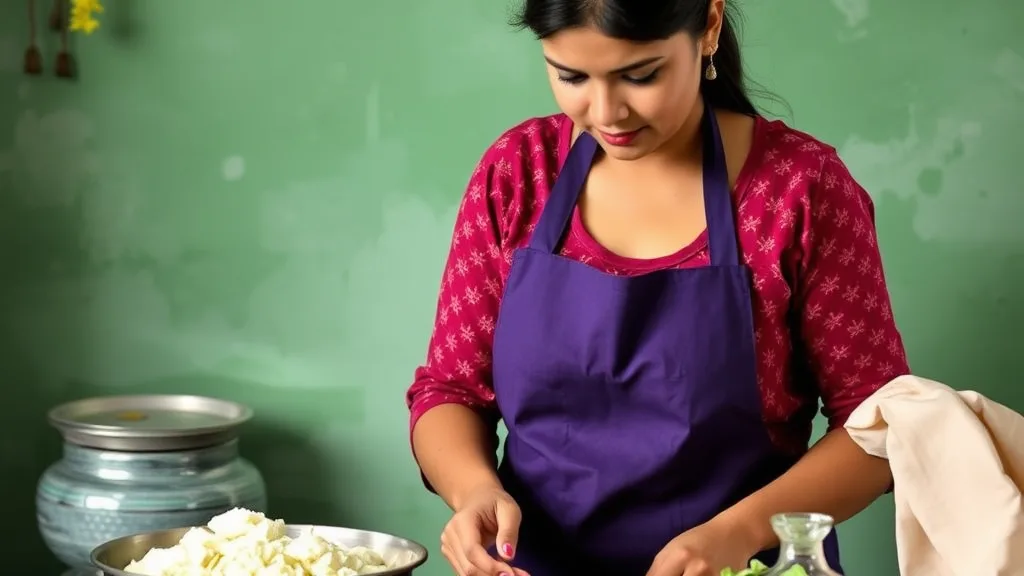
India has always had a deep emotional connection with homemade food. From achaar made by grandmothers in Rajasthan to artisan chocolate crafted in Mumbai apartments, the homemade food business in India is experiencing a genuine renaissance — powered by Instagram, WhatsApp, and a growing demand for authentic, preservative-free products.
If you have a talent in the kitchen and an entrepreneurial spirit, a homemade food business could be one of the most rewarding ventures you ever start. This guide walks you through every stage — from finding your niche to getting your first 100 customers.
Why Homemade Food Businesses Are Booming in India
Post-pandemic, Indian consumers shifted dramatically toward home-cooked, small-batch, and locally sourced food. People became suspicious of mass-produced items and started seeking out products with real people behind them. This created enormous opportunity for home-based food entrepreneurs.
According to industry estimates, India's home food delivery and artisan food market is growing at over 25% year-on-year. Platforms like Instagram and WhatsApp have eliminated the need for a physical storefront, allowing talented home cooks to build loyal customer bases without renting commercial kitchen space.
Step 1: Find Your Profitable Niche
The biggest mistake new food entrepreneurs make is trying to sell everything. Pick one niche and become known for it. Here are some categories that are performing extremely well right now:
- Healthy snacks and makhana mixes — high demand from fitness-conscious urban buyers
- Artisan pickles and chutneys — strong nostalgia factor, gifting potential
- Homemade mithai — huge opportunity in festive seasons and for NRI gifting
- Baked goods and sourdough bread — premium pricing possible in metro cities
- Diabetic-friendly or keto snacks — fast-growing segment with repeat buyers
- Regional speciality foods — Gujarati farsan, Maharashtrian chivda, Chettinad spice mixes
Step 2: Understand the Legal Requirements
Before you take your first order, you need to sort out your licensing. The primary requirement for any homemade food business in India is an FSSAI registration. For businesses with an annual turnover below ₹12 lakh, a basic FSSAI registration is sufficient and can be done entirely online at foscos.fssai.gov.in.
You will also need a GST registration if your turnover crosses ₹20 lakh (₹10 lakh for special category states). A local municipal trade license may also be required depending on your state. Get these sorted early — they also build customer trust significantly.
Step 3: Price Your Products for Profit
Home food businesses consistently underprice their products. Calculate your true cost — ingredients, packaging, labels, delivery, your own time, and a portion of utility bills. Then apply a minimum 3x markup to arrive at a retail price. Premium, well-packaged homemade food commands premium pricing, and your target customer is willing to pay for quality.
For gifting products like dry fruit boxes or artisan mithai, 4x–5x markup is entirely achievable during festive seasons.
Step 4: Build Your Sales Channels
You do not need a website to start. Here is where most successful home food entrepreneurs in India find their first customers:
- WhatsApp Business: Build a catalogue, set up your status updates, and create a broadcast list of potential buyers. This is how most homemade food businesses in India make their first ₹1 lakh.
- Instagram: Post short reels showing your cooking process. Authenticity sells. Behind-the-scenes content consistently outperforms polished ads for food businesses.
- Local housing society groups: Tap into RWA groups and apartment community apps like MyGate. Hyperlocal trust is a massive advantage for home food sellers.
- Online marketplaces: Once established, list on platforms like Meesho, Etsy India, or Amazon for wider reach.
Step 5: Packaging That Sells
In the homemade food business, packaging is your brand. Invest in clean, attractive packaging with clear labels that include product name, ingredients, net weight, FSSAI number, and best-before date. Branded boxes and stickers sourced from IndiaMART can be ordered in small quantities at reasonable cost.
Good packaging photographs well on Instagram, which directly contributes to organic discovery and word-of-mouth growth.
Real Numbers: What a Successful Homemade Food Business Can Earn
Many home food entrepreneurs in India earn between ₹30,000 and ₹2,00,000 per month within 12–18 months of starting. The ceiling depends almost entirely on how well they market their product and how efficient their operations become. Those who invest in building a brand — not just selling a product — tend to scale the fastest.
Conclusion
Starting a homemade food business in India has never been more accessible or more rewarding. With low startup costs, high demand for authentic products, and free marketing channels like Instagram and WhatsApp, the barriers to entry have never been lower. Your kitchen could be the beginning of your most profitable venture yet.
Read more about scaling a food business in our Food & Brands section, and explore business registration tips in our Business & Income guides.