
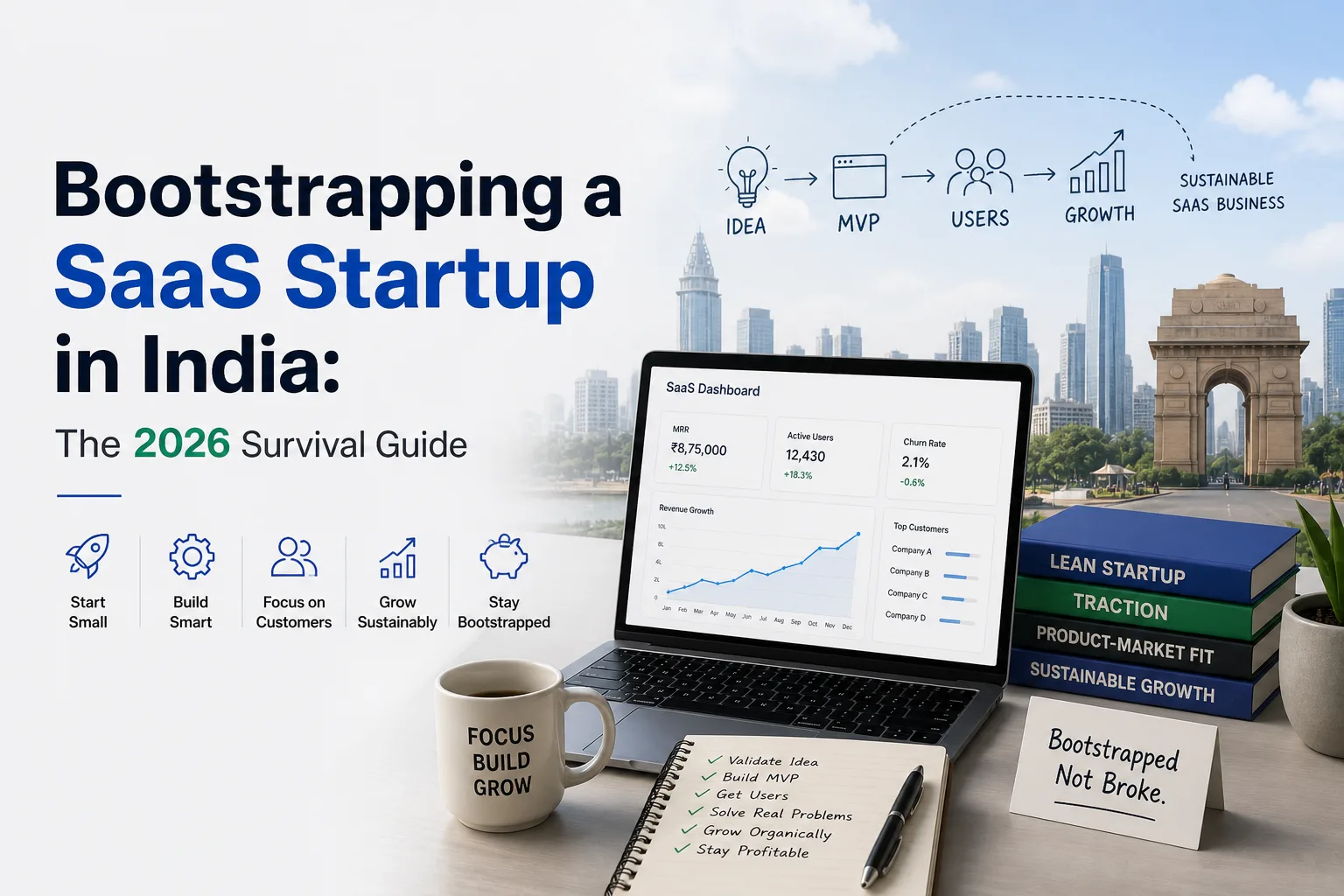
In the vibrant ecosystem of Indian startups, the narrative is often dominated by mega-funding rounds and unicorn valuations. However, as we move through 2026, a resilient and highly profitable breed of companies is taking centre stage: the bootstrapped Software as a Service (SaaS) startup. Building a SaaS business from the ground up without external venture capital requires a distinct mindset, unwavering discipline, and a laser focus on unit economics.
The Shift Towards Profitable Growth
For years, the "growth at all costs" mantra dictated startup strategy. Today, founders are increasingly prioritising sustainable growth. Bootstrapping allows you to retain complete equity, maintain absolute control over product direction, and build a culture rooted in customer value rather than investor expectations.
When you bootstrap, your customers become your primary investors. Every feature developed and every marketing campaign launched must directly tie back to solving a pressing pain point that users are willing to pay for today. If you want to dive deeper into broader business strategies, check out our section on Business & Income.
Market Comparison
| Metric | Bootstrapped SaaS | VC-Funded SaaS |
|---|---|---|
| Primary Goal | Profitability & Cash Flow | Rapid Market Share Capture |
| Equity Ownership | 100% (Founders & Early Team) | Diluted across multiple rounds |
| Growth Pace | Organic and steady | Aggressive and exponential |
| Risk Tolerance | Low (Survival-focused) | High (Fail fast mentality) |
Core Pillars of Bootstrapping
Successfully navigating the bootstrapped journey involves mastering several critical domains:
- Niche Targeting: Do not try to build a product for everyone. Identify a specific micro-niche with a high pain point and a high willingness to pay.
- Frugal Innovation: Leverage open-source tools, remote talent, and lean methodologies to build your Minimum Viable Product (MVP).
- Inbound Marketing: Rely on SEO, content marketing, and community building rather than expensive paid acquisition.
- Exceptional Customer Success: Churn is the enemy of SaaS. Invest heavily in onboarding and support to ensure your early adopters become lifelong advocates.
Overcoming Cash Flow Challenges
The biggest hurdle for bootstrapped founders is managing cash flow. Without a financial cushion, delayed payments or unexpected expenses can be fatal. To mitigate this, consider implementing annual upfront billing with a slight discount. This provides immediate working capital to reinvest into product development and marketing.
Additionally, focus on achieving a negative cash conversion cycle. By ensuring you collect payment from customers before you have to pay your vendors and operational costs, you effectively fund your own growth. It's a challenging balancing act, but one that breeds incredible financial discipline.
Conclusion
Bootstrapping a SaaS startup in India in 2026 is not for the faint of heart. It demands patience, grit, and an unwavering commitment to solving real customer problems. However, the ultimate reward—a profitable, sustainable business over which you have complete control—is well worth the arduous journey. Start small, focus on revenue from day one, and let your customers lead the way.