
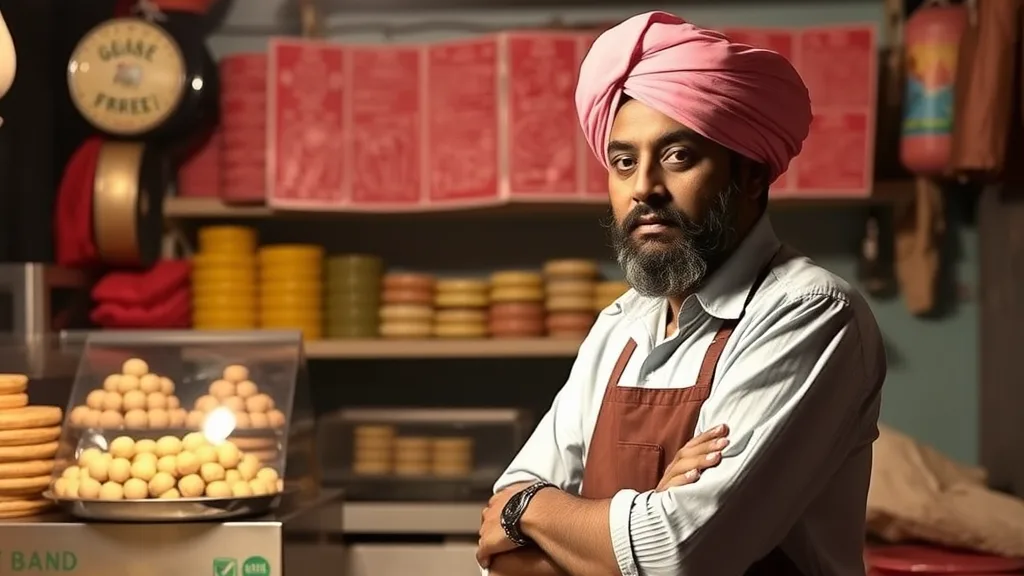
When Ramashankar Yadav took over his father's 40-year-old sweet shop in the narrow lanes of Varanasi, nobody imagined that the modest outlet would soon ship pedas and laddoos to Canada, the UK, and Australia. Today, “Yadav Mistan Bhandar” generates nearly 40% of its revenue from international orders. This is the story of how a hyperlocal business embraced e-commerce, storytelling, and smart packaging to become a global brand while staying true to its roots.
The Humble Beginning
The shop opened in 1984, famous for its malai ki gilori, besan laddoo, and the iconic Banarasi kalakand. Sales were entirely dependent on temple tourists and locals. By 2018, the third generation of Yadavs realised that customers who relocated abroad often craved the exact taste of their hometown sweets. Initially, they would simply carry boxes on flights for relatives. That's when Ramashankar decided to explore formal export channels.
Step 1: Product Development for a Global Shelf Life
Traditional sweets have a short shelf life—often just 5–7 days. To cross borders, the team invested in vacuum-sealing technology and natural preservatives like honey and dried rose petals that extended shelf life to 45 days without altering taste. They also introduced dry mixes and canned gulab jamuns, which became instant hits. These innovations were done entirely with local fabricators and food scientists from the Banaras Hindu University.
Step 2: Telling the Banarasi Story
Packaging became the shop's narrator. Each box carried a hand-drawn sketch of the famous ghats and a note about the sweet's origin. The website featured videos of the family making sweets by the river at sunrise. This nostalgic storytelling resonated deeply with the Indian diaspora. Orders started trickling in through a simple Shopify store, and soon, Yadav Mistan Bhandar became a gifting staple during Diwali and Raksha Bandhan abroad.
Step 3: Navigating Export Regulations
Exporting food from India involves FSSAI export license, APEDA registration, and compliance with the importing country's food safety standards. The team hired a local export consultant who guided them through the maze of documentation and sample clearances. It took them nearly nine months to ship the first commercial consignment to a small Indian grocery store in Toronto—but that first order opened the floodgates.
Export Growth Snapshot
The table below shows how international orders scaled over six years through consistent quality and diaspora-focused marketing.
| Year | Export Orders | International Revenue (₹ Lakhs) | Key Markets |
|---|---|---|---|
| 2019 | 120 | 2.1 | Canada, UAE |
| 2020 | 310 | 6.5 | UK, Australia |
| 2021 | 580 | 13.2 | USA, Singapore |
| 2022 | 1,100 | 28.4 | Netherlands, Germany |
| 2023 | 1,800 | 48.9 | Japan, Malaysia |
| 2024 | 2,800 | 76.3 | Worldwide |
The revenue trajectory proves that even the most traditional local business can find a global audience when armed with authenticity and smart execution.
Marketing Tactics That Worked Without a Big Budget
Instead of costly ads, the brand leveraged user-generated content. They encouraged customers to share unboxing videos with the hashtag #BanarasMithaiAbroad, which went viral on Instagram. During festivals, they collaborated with Indian influencers living overseas. A single reel by a popular Canada-based food blogger brought more than 500 orders in a week. They also tied up with local NRI community associations for bulk festival orders.
Challenges and How They Overcame Them
Customs delays, high shipping costs, and occasional spoilage were the biggest hurdles. The team addressed these by shifting to express air freight during summer months and investing in phase-change gel packs for thermal insulation. They also negotiated discounted shipping rates through India Post's international parcel service for lightweight gift boxes. For more case studies on local businesses going digital, explore our Local Businesses section.
Conclusion
Yadav Mistan Bhandar's journey proves that a small local shop doesn't need to lose its soul to go global. By preserving its heritage, upgrading packaging, leveraging storytelling, and patiently navigating export rules, this Varanasi sweet shop turned nostalgia into a multi-crore international business. Your neighbourhood business could be next—the world is hungry for authentic Indian flavours.