
Scaling Your Retail Shop: Offline to Online Transition Strategies
For decades, local retail shops have been the vibrant core of our communities, relying on foot traffic, vibrant window displays, and personal relationships to drive sales. However, consumer behavior has fundamentally shifted toward digital convenience. To survive and thrive in today's competitive market, traditional retailers must embrace a hybrid approach. In this deep dive, part of our Local Businesses series, we outline actionable strategies for successfully transitioning your offline retail shop to a robust online enterprise.
The Imperative of Digital Transformation
Digital transformation is no longer an optional upgrade; it is a critical survival mechanism. A digital presence extends your geographic reach, allows for 24/7 sales operations, and provides invaluable data on customer purchasing habits. While the charm of a physical store remains important for brand building, an e-commerce platform insulates your business against local economic downturns, extreme weather events, or shifts in neighborhood demographics. The goal is not to replace your physical store, but to complement and elevate it.
Choosing the Right E-commerce Platform
The foundation of your online transition is selecting an appropriate e-commerce platform. Solutions like Shopify, WooCommerce, and BigCommerce offer intuitive, scalable infrastructures that cater to various business sizes and technical capabilities. When choosing a platform, prioritize seamless integration with your existing Point of Sale (POS) system. This integration is crucial for maintaining accurate, real-time inventory synchronization across both your physical and digital storefronts, preventing overselling and inventory discrepancies.
Mastering Inventory Management
One of the most significant challenges in an offline-to-online transition is inventory management. Managing stock across multiple channels requires rigorous discipline and reliable technology. Implementing a centralized inventory management system ensures that when an item is sold in-store, it is immediately deducted from your online inventory. Furthermore, robust inventory software can automate reorder alerts, track seasonal trends, and identify slow-moving products, enabling more strategic purchasing decisions and optimizing cash flow.
Optimizing for Local SEO
As a transitioning local business, your most immediate online advantage is your established community presence. Local SEO (Search Engine Optimization) is vital for capturing digital foot traffic. Claim and aggressively optimize your Google Business Profile, ensuring consistent NAP (Name, Address, Phone Number) information across all directories. Create locally targeted content and encourage satisfied in-store customers to leave online reviews. When done correctly, local SEO ensures that when nearby residents search for your products, your store ranks at the top of the results.
Creating High-Quality Product Listings
In the digital realm, your product listing serves as your salesperson and your window display. High-quality photography, utilizing professional lighting and multiple angles, is non-negotiable. Accompany these visuals with detailed, persuasive product descriptions that address potential customer questions. Include specifications, sizing charts, and material information. The more comprehensive and engaging your product listings are, the higher your conversion rates will be and the fewer returns you will have to process.
Implementing Click-and-Collect (BOPIS)
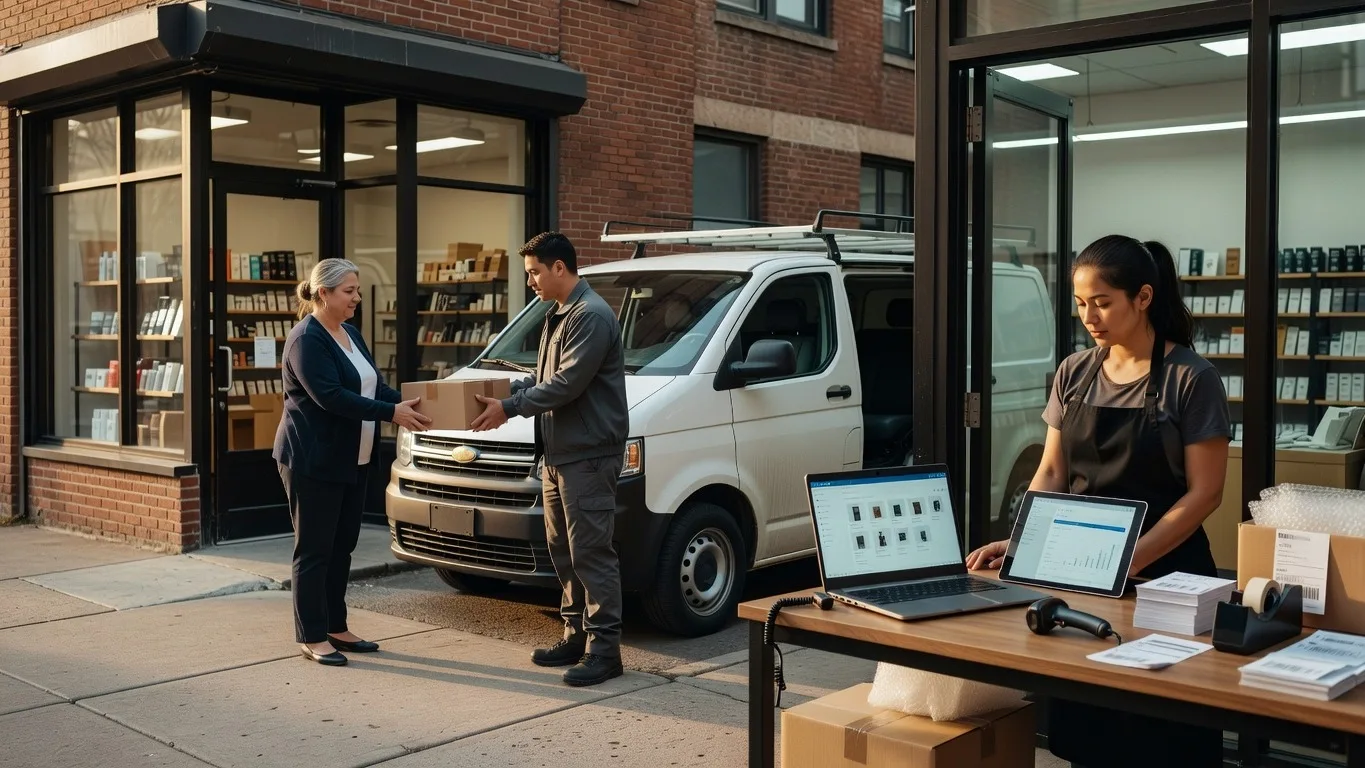
Bridging the gap between online and offline shopping is beautifully executed through Buy Online, Pick Up In-Store (BOPIS) programs. BOPIS caters to consumers who desire the convenience of online browsing but want immediate gratification without shipping fees. For the retailer, it drives digital customers into the physical store, creating opportunities for upselling and cross-selling. Implementing a smooth BOPIS experience requires clear communication, designated pickup areas, and well-trained staff.
Leveraging Social Commerce
Social media platforms have evolved from marketing channels into robust sales engines. Platforms like Instagram, Facebook, and TikTok now offer integrated commerce features that allow users to purchase products directly from their feeds. For visually appealing retail goods like apparel, home decor, or artisanal foods, social commerce is incredibly effective. By tagging products in your posts and partnering with local micro-influencers, you can drastically reduce the friction between product discovery and checkout.
Rethinking Customer Service and Logistics
Customer service expectations in e-commerce are exceptionally high. You must establish clear policies for shipping, returns, and exchanges that align with industry standards. Partner with reliable logistics providers to ensure timely and trackable deliveries. Additionally, implement digital customer service channels, such as live chat, responsive email support, and dedicated social media monitoring, to resolve issues promptly and maintain the personal touch your physical store is known for.
Analyzing Data for Continuous Improvement
The transition to e-commerce unlocks a treasure trove of consumer data. Use analytics tools to monitor website traffic, bounce rates, conversion funnels, and customer acquisition costs. This data provides a clear picture of what is working and what isn't. If customers are abandoning their carts at the shipping calculation stage, you may need to reevaluate your freight strategy. By continuously analyzing data and iterating on your processes, you ensure that your digital storefront is always optimized for maximum profitability.
Conclusion
Transitioning from a traditional offline retail model to a dynamic online presence is a complex but immensely rewarding journey. By selecting the right technology, mastering inventory synchronization, leveraging local SEO, and embracing omnichannel strategies like BOPIS, local retailers can significantly scale their operations. Embrace the digital landscape not as a threat, but as a powerful catalyst for growth, ensuring your business remains a vital part of the community for generations to come.