
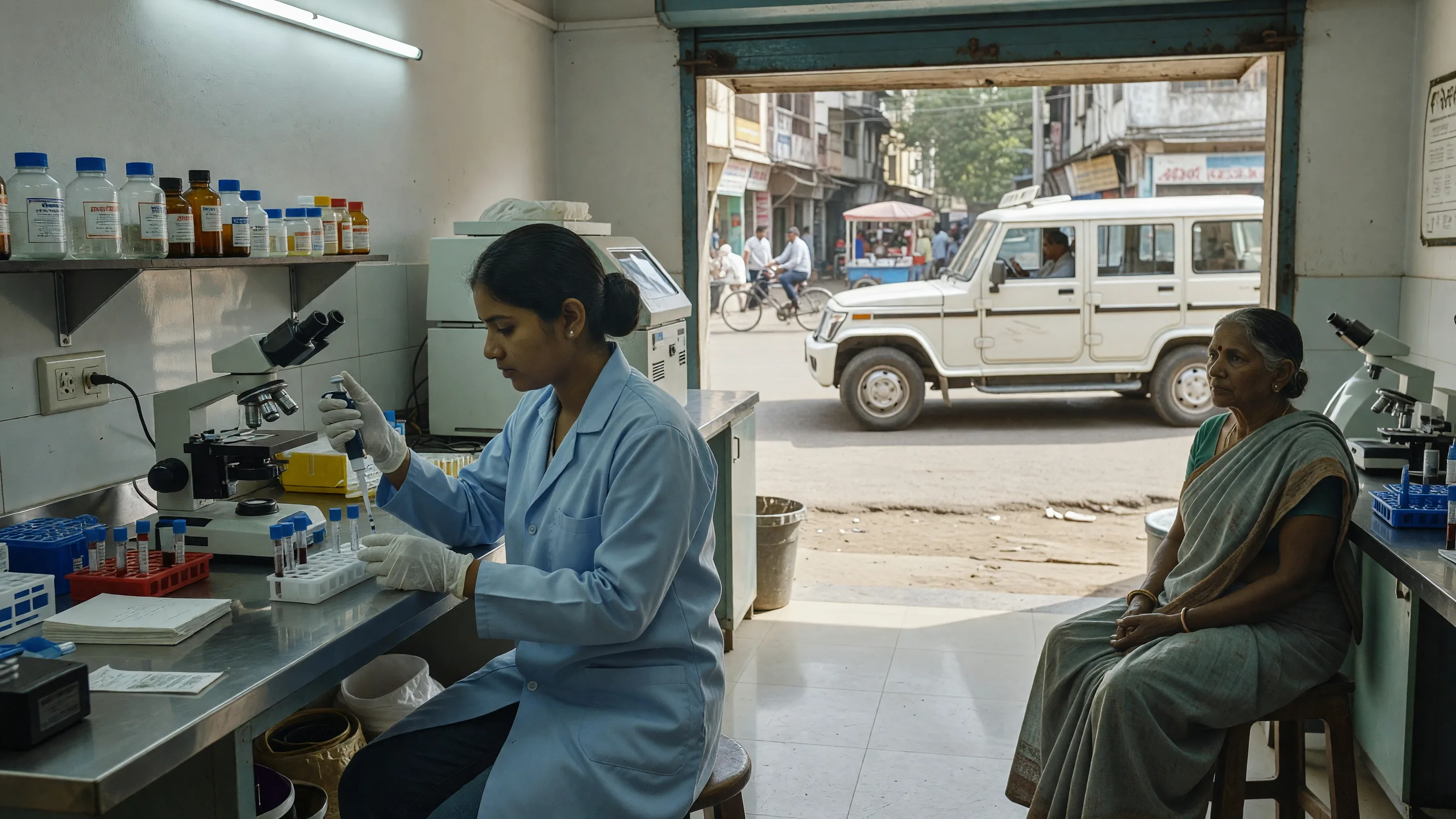
Independent diagnostic labs in small Indian cities operate in a sensitive market where trust matters more than flashy advertising. Patients and families want accurate reports, clean facilities, polite staff, timely delivery, and clear communication. Doctors want dependable partners who do not create confusion for patients. In many towns, a lab grows not because it offers the lowest price, but because people believe the reports are reliable. For BusinessTalks.in readers exploring Local Businesses, diagnostic labs show how reputation and systems can become a powerful growth engine.
The challenge is that competition is increasing. Large chains are entering smaller cities, online health platforms are offering discounted packages, and local labs are fighting for visibility. An independent lab cannot always outspend national brands, but it can outserve them. It can understand local doctors, home-visit needs, senior citizens, language preferences, and neighbourhood trust networks better than a distant corporate chain.
Trust Starts Before the Test
The patient experience begins before a blood sample is collected. People often search online, ask a doctor, call the lab, compare prices, and check reviews. A missed call, unclear package name, or rude response can push the patient elsewhere. Labs should train front-desk and phone staff to answer common questions calmly: fasting requirements, report timing, home collection charges, payment modes, and whether digital reports are available.
Trust also depends on transparency. If a test requires fasting, mention it clearly. If a report will take twenty-four hours, do not promise evening delivery just to secure the booking. If a sample is outsourced to a reference lab, communicate honestly where appropriate. Healthcare customers forgive reasonable timelines more easily than broken promises.
Google Visibility Is No Longer Optional
For local labs, Google Business Profile is often the first digital asset customers see. The profile should include accurate location, opening hours, phone number, test categories, photos of the reception area, home collection availability, and patient-friendly updates. Reviews should be requested ethically after a smooth experience. Staff should never pressure patients, but a simple message saying, "Your feedback helps local families choose trusted care," can increase review volume.
Labs can also publish helpful pages on their website. Examples include complete blood count test in the city, thyroid profile home collection, diabetes monitoring packages, senior citizen health check-ups, and pre-surgery test panels. Each page should explain who needs the test, preparation required, report timing, and how to book. This type of local SEO can generate steady enquiries without depending entirely on paid ads. Readers can connect this with broader Marketing Insights on search visibility and lead generation.
Doctor Relationships Need Professional Handling
Doctors can influence lab growth, but relationships must be handled ethically and professionally. Instead of focusing only on incentives, labs should focus on report quality, punctual pickup, clear formatting, and quick correction support if any issue occurs. A doctor values a lab that reduces patient complaints. Regular communication, sample report formats, and responsible escalation systems can create long-term respect.
Independent labs should also create speciality packages for local needs. A town with many elderly residents may need chronic disease monitoring. An industrial area may need employee health check-ups. A student-heavy locality may need fitness certificates and routine tests. When services match local demand, referrals become more natural.
Home Collection Can Become a Differentiator
Home sample collection is now expected in many cities, especially for seniors, busy professionals, and families with children. However, offering home collection without discipline can hurt reputation. The phlebotomist must arrive on time, carry proper collection kits, confirm patient identity, label samples correctly, and maintain hygiene. A delay or careless visit affects the entire brand.
Labs should use a clear booking workflow. Confirm the address, time slot, tests, fasting status, payment mode, and report delivery method. After collection, send a confirmation message. When the report is ready, share it securely. Even simple WhatsApp communication can feel professional if it is structured and respectful.
Service Checklist
| Trust Factor | What Patients Notice | Business Impact |
|---|---|---|
| Clean Facility | Reception, seating, sample area | Higher confidence |
| Timely Reports | Clear delivery commitment | Repeat bookings |
| Polite Staff | Calls, billing, home visits | Better reviews |
Packages Should Be Easy to Understand
Many labs confuse customers with technical package names. Instead, create simple categories such as basic health check-up, diabetes care package, senior citizen package, women wellness package, fever profile, and heart health screening. Each package should list included tests, ideal customer type, preparation instructions, and price. This helps customers make decisions without calling repeatedly.
Do not overpromise medical interpretation in marketing content. A lab can explain test preparation and booking details, but diagnosis should remain with qualified doctors. Responsible communication protects the business and builds credibility.
Retention Is Better Than One-Time Discounting
Discounts may attract first-time patients, but retention comes from convenience and confidence. A lab can send reminders for repeat diabetes tests, annual check-ups, thyroid monitoring, or vitamin follow-ups. These reminders should be polite, useful, and not fear-based. Families appreciate service providers who help them stay organized.
Local partnerships can also build retention. Tie-ups with housing societies, small companies, gyms, schools, and clinics can bring regular bookings. Health camps can work when they are well-planned and not just used for aggressive selling. A helpful camp with proper reporting can introduce the lab to hundreds of potential customers.
Conclusion
Independent diagnostic labs in small Indian cities can grow strongly when they combine medical seriousness with local service quality. The formula is not complicated: accurate reports, clean processes, transparent communication, digital visibility, ethical doctor relationships, and dependable home collection. Large chains may have bigger budgets, but local labs can win trust by being accessible, consistent, and genuinely patient-focused.