
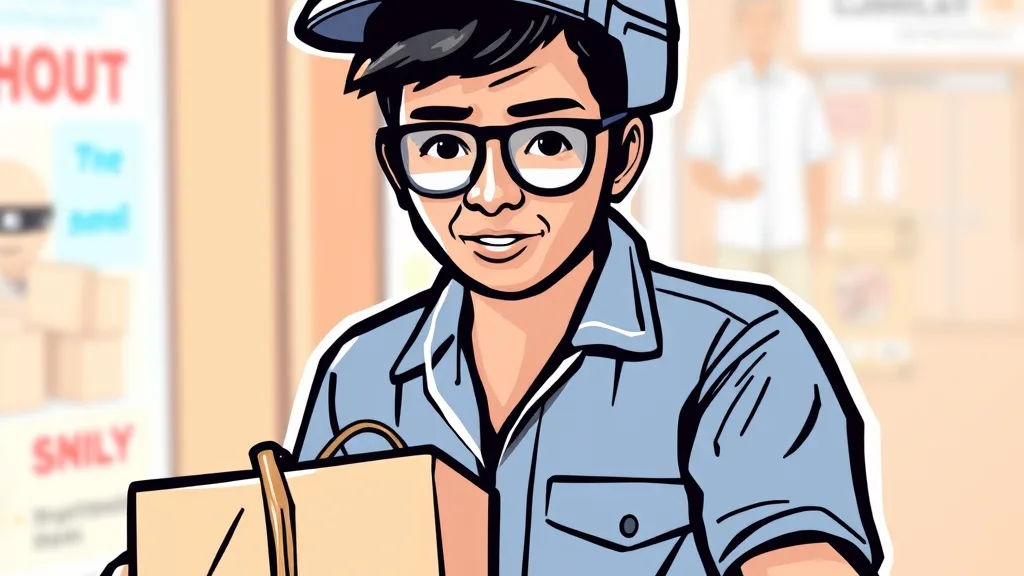
In India's top cities, ordering groceries on Blinkit, Zepto, or Instamart and receiving them in under ten minutes has become the new normal. This has left lakhs of neighbourhood kirana stores wondering: is there a place for us in this hyper-fast world? The answer isn't a simple yes or no. Kirana stores still command unmatched trust, credit, and local convenience, but they must evolve. This article unpacks the strengths and weaknesses of both models and offers a practical survival playbook for traditional retailers.
The Quick Commerce Advantage
Quick commerce platforms offer unparallel speed, 24/7 availability, and a vast array of SKUs. Their dark stores are strategically located in high-demand pin codes, and their logistics algorithms reduce delivery times to single-digit minutes. For urban customers with busy schedules, ordering a litre of milk or a packet of diapers at 11 PM is a blessing. These platforms also provide app-based browsing, discount coupons, and seamless payment options.
The Kirana Store Fortress
However, kirana stores are far from obsolete. They offer a level of personalisation that no app can replicate—the shopkeeper knows your family, extends informal credit, and even delivers a forgotten item to your doorstep for free. In tier 2 and 3 cities, where quick commerce has not yet penetrated deeply, kiranas remain the primary source of daily essentials. Additionally, kirana stores have zero delivery fees, no minimum order value, and allow you to physically inspect produce before buying. These emotional and practical benefits create stickiness that algorithms cannot easily break.
Head-to-Head: Quick Commerce vs Kirana Store
| Aspect | Quick Commerce | Kirana Store |
|---|---|---|
| Delivery Speed | 8–15 minutes | Instant to 30 minutes (if they deliver) |
| Product Range | 5,000+ SKUs | 500–1,500 SKUs |
| Customer Trust | Low to moderate (app interface) | High (face-to-face relationship) |
| Credit Facility | None (UPI, cards only) | Monthly khata (informal credit) |
| Pricing | Competitive, with handling charges | Negotiable, MRP or lower |
| Personalisation | AI recommendations | Remembering your usual items, family needs |
| Support Local Economy | Low | High |
The table reveals that while quick commerce wins on speed and range, kirana stores dominate in trust, credit, and community. This isn't a battle they must lose—they can learn to co-exist and even thrive.
A Survival Playbook for Kirana Stores
Go Digital with Hyperlocal Discovery: List your store on Google My Business and local WhatsApp groups. Use a simple digital catalogue on platforms like Dukaan or Khatabook to let customers see your inventory from home. A shop in Indore added 70 new customers just by creating a weekly inventory WhatsApp status.
Offer Hybrid Delivery: Partner with a local delivery boy or use Dunzo-like services for orders beyond 1 km. Charge a small fee or keep it free for orders above a certain amount. The key is to match the convenience expectation while keeping your cost structure lean.
Leverage Credit and Loyalty: Formalise your khata system with apps like OkCredit that send automated reminders. Link credit to loyalty—customers who pay on time get 2% cashback as store credit. This builds long-term stickiness that quick commerce cannot replicate.
Curate Local Favourites: Stock hyperlocal products—fresh paneer from the nearby dairy, homemade pickles, or that specific biscuit brand no app carries. Become the only place where customers can get these hidden gems.
The Future: Collaboration, Not Competition
Several kirana stores are already partnering with quick commerce platforms as their dark store hubs. This model turns the threat into an opportunity: the kirana stocks the goods, and the platform handles the tech and delivery. While the margin per order may be lower, the volume compensates. For deeper insights on digital transformation, read our guides under Marketing Insights.
Conclusion
Quick commerce is a formidable disruption, but it will not erase the kirana store from India's retail landscape. By fusing their inherent strengths—trust, credit, and personal touch—with simple digital tools, traditional retailers can carve out a niche that 10-minute apps cannot conquer. The future belongs to those who adapt, not to those who merely compete on speed.