
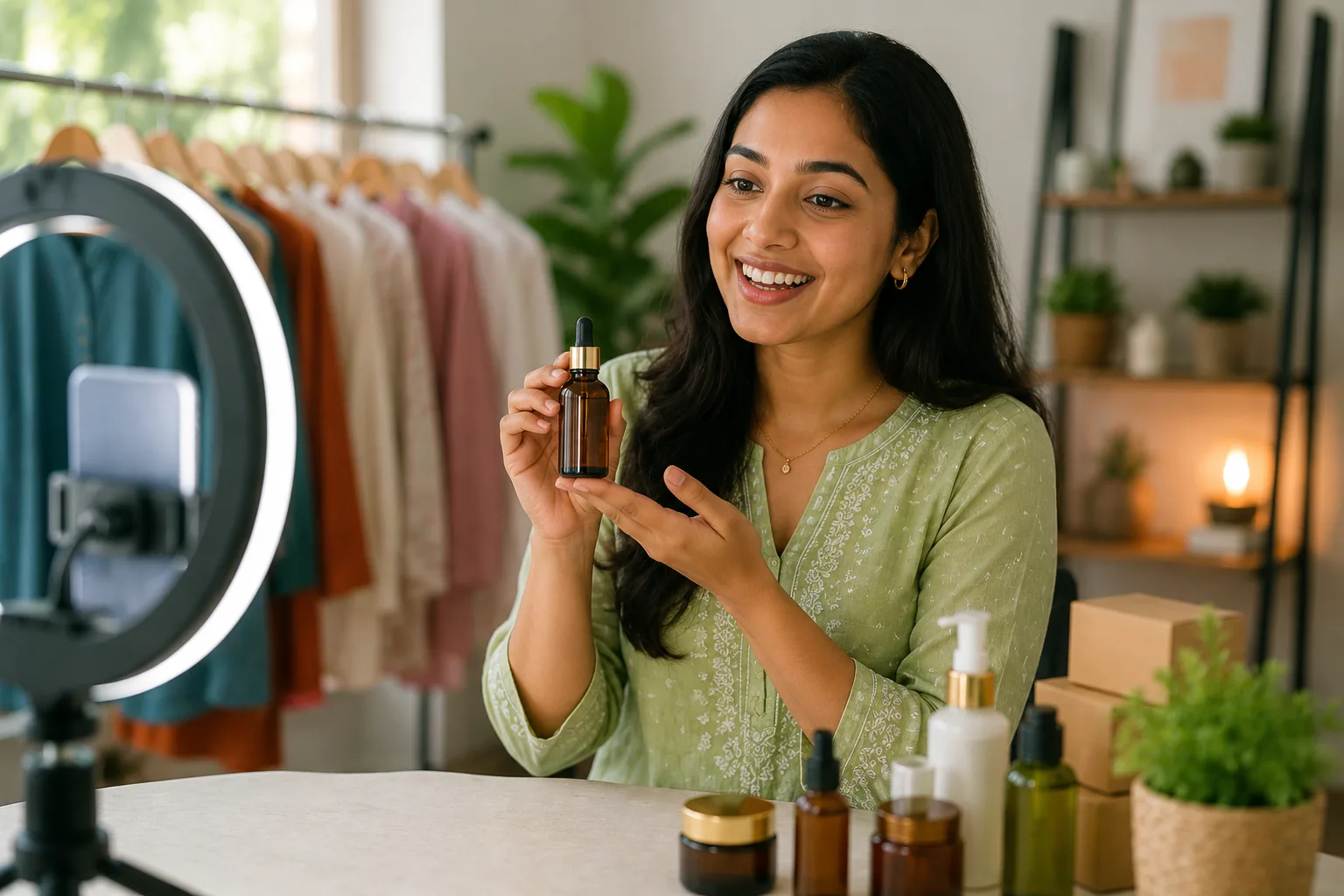
You do not need to pay a Bollywood celebrity ₹50 lakh to get your product noticed. In 2026, some of the most effective brand building in India is happening through micro-influencers — creators with 5,000 to 100,000 followers who have earned genuine trust within specific communities.
For small businesses with limited marketing budgets, micro-influencer partnerships offer a compelling combination: targeted reach, authentic endorsements, and pricing that actually makes sense.
What Makes Micro-Influencers Different
The influencer landscape has matured significantly. Audiences have become cynical about sponsored content from mega-influencers who endorse everything from protein supplements to real estate. Micro-influencers, by contrast, tend to:
- Have higher engagement rates (often 4–8% versus 1–2% for celebrities)
- Maintain a focused niche — food, parenting, fitness, regional lifestyle
- Speak in a tone their followers relate to, not corporate-scripted language
- Be far more accessible and affordable for small brands
What Does It Cost to Work With a Micro-Influencer in India?
Pricing varies by platform, niche, and engagement rate, but here are realistic benchmarks for 2026:
Typical Pricing by Follower Count
| Influencer Tier | Follower Range | Instagram Reel | YouTube Short/Video |
|---|---|---|---|
| Nano | 1K – 10K | ₹500 – ₹3,000 | ₹1,000 – ₹5,000 |
| Micro | 10K – 100K | ₹3,000 – ₹25,000 | ₹5,000 – ₹40,000 |
| Mid-tier | 100K – 500K | ₹25,000 – ₹1,00,000 | ₹40,000 – ₹2,00,000 |
*Rates are negotiable and vary by niche. Food and beauty creators generally charge more than lifestyle generalists.
How to Find the Right Micro-Influencer for Your Business
The most important factor is not follower count — it is audience alignment. A food influencer with 15,000 followers in Lucknow will drive far more value for a local restaurant than a Mumbai-based fashion creator with 200,000 followers.
Here is where to look:
- Instagram search: Search your city or niche hashtags and look for creators with consistent engagement.
- Platforms like Winkl, Plixxo, and OPA: These are influencer marketplaces specifically built for Indian brands.
- Your own customer base: Some of your best micro-influencers are already customers. Check your tagged posts and stories.
Before You Reach Out: What to Check
Always evaluate these three things before committing budget:
- Engagement rate: Divide total likes and comments by followers. Anything above 3% is healthy for a micro-influencer.
- Audience authenticity: Use a free tool like HypeAuditor or Modash to check for fake followers.
- Content quality and tone: Does their content style match your brand's voice? Would you be proud to share their post?
Structuring Your First Collaboration
Keep your first campaign simple. Here is a framework that works for Indian small businesses:
- Product gifting: Send your product and ask for an honest review reel. No payment, just the product.
- Affiliate commission: Offer a discount code unique to the creator. Pay them 10–20% of sales they generate.
- One-time paid post: Pay for a single reel or story set with a clear brief on what to include.
Always provide a brief — but do not over-script. Influencers know their audience better than you do. Give them the key message points and let them communicate it in their natural voice.
Measuring What Actually Matters
Stop obsessing over likes. For small businesses, the metrics that matter are reach (how many new people saw your brand), website visits from the post, and direct messages or calls generated. Track these for every campaign and compare cost-per-inquiry across different creators to find your best partnerships.
A Realistic Expectation
Micro-influencer marketing is not a one-post miracle. It works through consistency and accumulation. Three to five collaborations per month over three months will build a measurable impact. One-off posts rarely move the needle.
Explore more innovative marketing tactics in our Marketing Insights hub on BusinessTalks.in.