
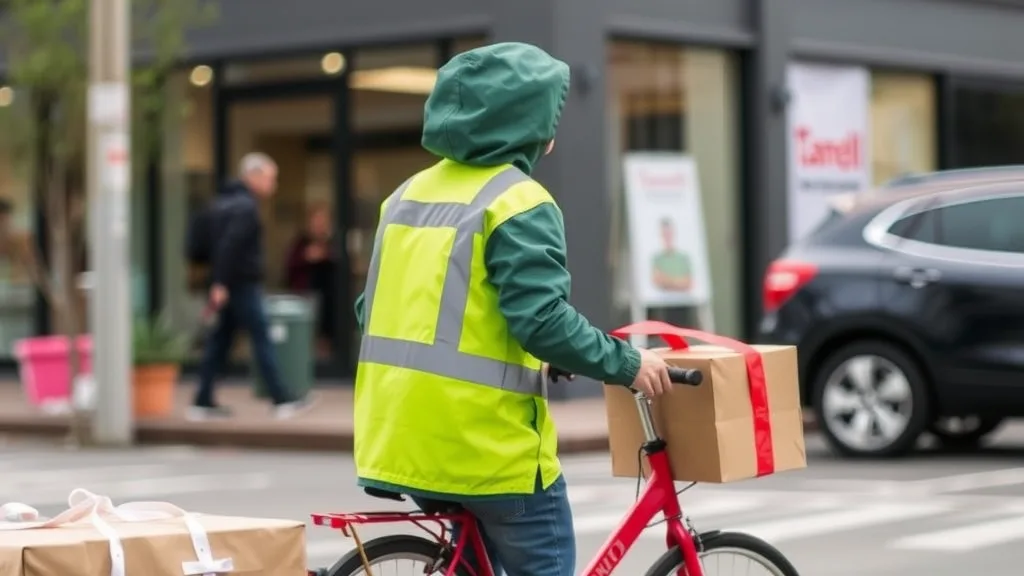
Quick commerce platforms like Blinkit, Zepto, and Instamart have set a new bar for speed and convenience. For neighbourhood retail stores, competing head-on seems daunting. Yet, by leveraging their own hyperlocal strengths—personal relationships, curated inventory, and community trust—local shops can build delivery models that not only match but beat the giants on loyalty and long-term value.
Understanding the Quick Commerce Threat
Quick commerce promises delivery in 10–20 minutes, funded by deep discounts and venture capital. However, these platforms often lack the personal touch and product knowledge that local store owners bring. Consumers frequently face order cancellations, wrong items, or impersonal service. This gap is where local retailers can shine.
Building Your Own Hyperlocal Delivery Ecosystem
You don't need a sophisticated tech team. Start with a simple WhatsApp catalogue and take orders via chat. For delivery, partner with a local delivery service like Dunzo, Shadowfax, or even hire a part-time rider. Use Google My Business to list your products and enable direct calls. Gradually, invest in a basic storefront on Shopify or a local SaaS platform that integrates with your billing system. The goal is to make ordering as convenient as possible for your regular customers.
Data Insights
Customer preference split (survey of 2,000 urban shoppers)
The chart above shows that while quick commerce dominates, a combined 55% of consumers still prefer either home delivery from a known local store or picking up items themselves. This underscores the opportunity for retailers who combine digital ordering with a reliable local delivery promise.
Winning on Customer Loyalty, Not Just Speed
Local stores can offer personalised recommendations, credit facilities, and loyalty programmes that quick commerce cannot replicate. Celebrate festivals, offer free home delivery for senior citizens, or host neighbourhood events. These gestures build emotional connections that translate into repeat business. Share these success stories on the Local Businesses page to inspire others.
Conclusion
Hyperlocal delivery networks aren't about out-spending giants; they're about out-caring them. By combining digital ease with the warmth of neighbourhood service, local retailers can carve out a defensible, profitable niche. Start with what you already have—your customers—and build a delivery experience around their needs. The future of retail is local and connected.