
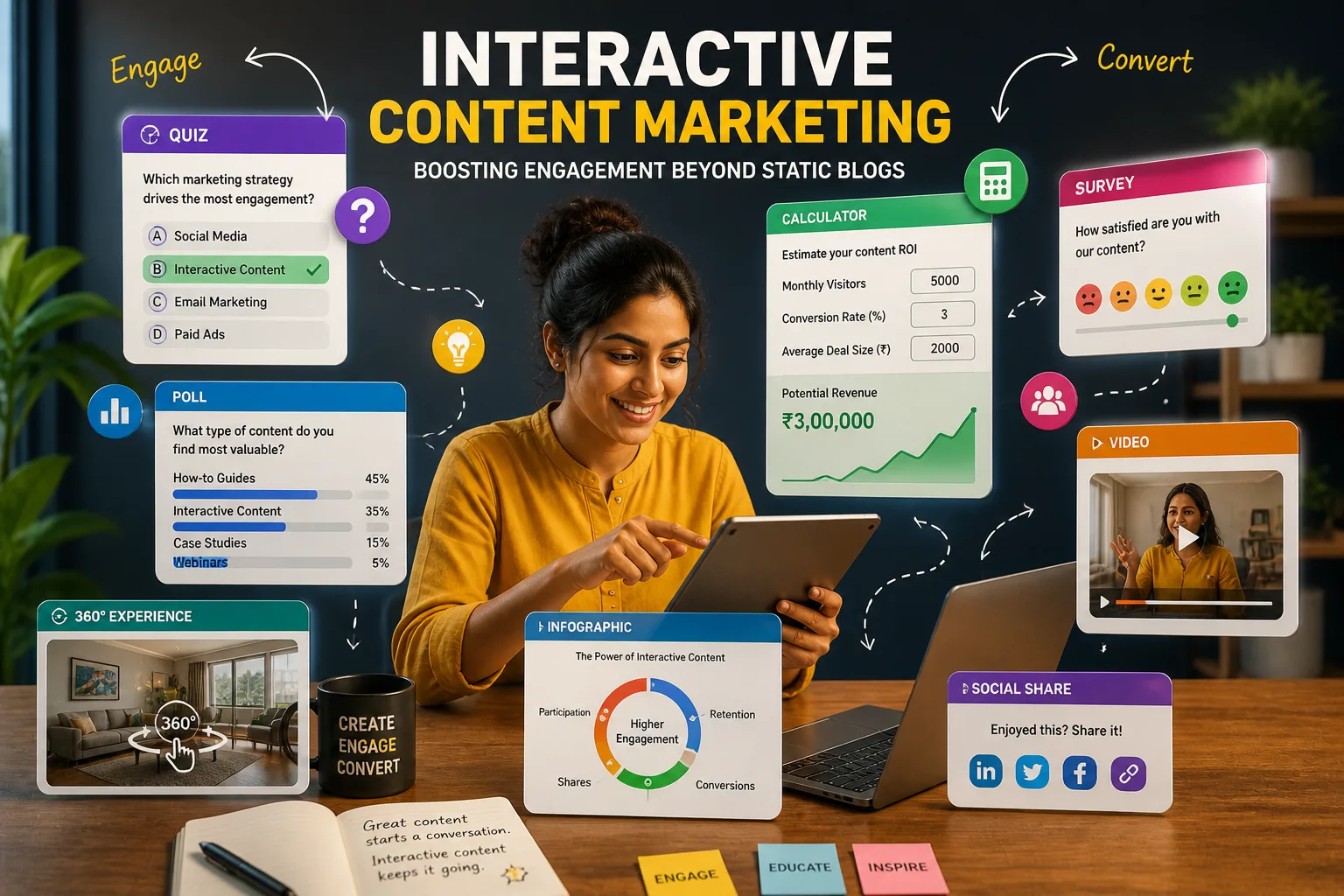
As we navigate 2026, the digital landscape is saturated with content. Standard blog posts and static infographics, while still useful for SEO, often struggle to capture and retain user attention. The antidote to this content fatigue is interactivity. Interactive content transforms passive readers into active participants, dramatically increasing time-on-page, brand recall, and conversion rates.
The Psychology of Interactivity
Humans are naturally wired for engagement. When we interact with a piece of content—whether by clicking, dragging, or answering questions—our brains become actively involved in the learning process. This psychological investment makes the brand memorable. By offering immediate feedback or personalized results, interactive content delivers instant gratification, keeping users hooked.
For businesses looking to elevate their digital strategies, integrating interactive elements is a non-negotiable tactic. You can explore more advanced frameworks in our Marketing Insights hub to see how leading brands are deploying these assets.
Types of High-Performing Interactive Content
Diversifying your content portfolio requires understanding which interactive formats align with your specific marketing goals:
- Quizzes and Assessments: Excellent for top-of-funnel lead generation. They tap into the user's desire for self-discovery and offer personalized product recommendations based on their answers.
- Interactive Calculators: Highly effective for B2B and SaaS companies. A "ROI Calculator" or "Cost Savings Estimator" provides tangible, personalized value to a prospect, moving them further down the funnel.
- Interactive Infographics: Instead of presenting an overwhelming wall of data, allow users to hover, click, and reveal data points that are most relevant to them.
- Polls and Surveys: A quick, low-friction way to gather market research, spark community discussion, and boost social media engagement.
Implementation Strategies
Transitioning to interactive content doesn't necessarily require a massive development budget. Numerous no-code and low-code platforms allow marketing teams to build sophisticated interactive widgets seamlessly. The key is strategic placement. An interactive ROI calculator placed strategically on a pricing page can significantly reduce bounce rates and increase demo requests.
Furthermore, the data collected from interactive content is a goldmine for your sales and marketing teams. When a user completes a detailed assessment, you aren't just capturing an email address; you are capturing deep insights into their specific pain points, budget, and preferences. This allows for highly targeted, personalized follow-up campaigns.
Conclusion
Static content is no longer sufficient to stand out in a crowded digital marketplace. By investing in interactive content marketing, brands can foster deeper connections, generate higher-quality leads, and provide a genuinely memorable user experience. In the battle for consumer attention, the brands that engage, rather than simply broadcast, will ultimately win.