
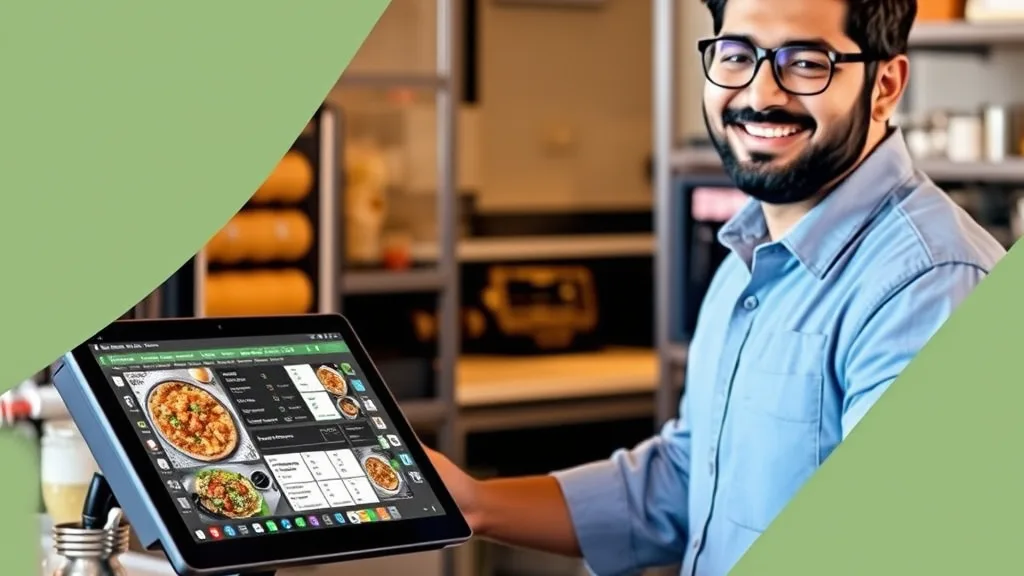
Running a single restaurant is challenging; running a chain of multi-outlet restaurants across different cities is an operational tightrope. For Indian Food & Beverage (F&B) entrepreneurs scaling their operations in 2026, relying on fragmented, legacy Point of Sale (POS) software is a recipe for disaster. A centralized, Cloud-based POS system is the central nervous system required to ensure consistency, prevent pilferage, and drive profitability across all locations.
The Shift to Cloud Architecture
Legacy POS systems store data locally, meaning owners have to physically visit outlets or rely on manual end-of-day reports to understand business performance. Cloud POS systems stream data in real-time to a centralized dashboard accessible from a smartphone anywhere in the world. This instantaneous visibility is crucial for making rapid inventory and staffing decisions.
If you are looking to upgrade your tech stack, reviewing comprehensive evaluations in our Products & Reviews section is a great first step.
Critical Features for Multi-Outlet Chains
When evaluating a Cloud POS for a growing restaurant chain, specific enterprise-grade features are non-negotiable:
- Centralised Menu Management: You must be able to push price changes, add seasonal items, or remove out-of-stock dishes across all outlets simultaneously, or customize menus based on regional pricing.
- Base Kitchen & Inventory Sync: For chains using a central commissary kitchen, the POS must seamlessly manage internal indenting, track raw material transfers, and calculate real-time food costs and recipe yields.
- Aggregator Integrations: Deep, two-way integration with Zomato, Swiggy, and direct D2C delivery platforms is mandatory to eliminate manual order punching and reduce errors.
- Granular Role-Based Access: Prevent unauthorized discounts and voided bills by setting strict permission levels for cashiers, outlet managers, and corporate staff.
Data-Driven Decision Making
The true power of a Cloud POS lies in its analytics. Advanced systems use AI to forecast demand based on historical data, weather patterns, and local events. This allows managers to optimize prep lists, reducing food wastage—one of the biggest silent killers of restaurant margins. Additionally, centralized CRM features allow for targeted loyalty programs. If a customer frequently orders at your Mumbai outlet, their preferences and loyalty points should seamlessly reflect when they visit your Pune outlet.
Conclusion
Upgrading to a robust Cloud POS system is a significant investment in time and capital, but it is an absolute prerequisite for scaling an F&B brand in India today. By centralising control, automating inventory, and providing real-time data visibility, multi-outlet restaurants can maintain the high standards of quality and efficiency required to thrive in a fiercely competitive market.